
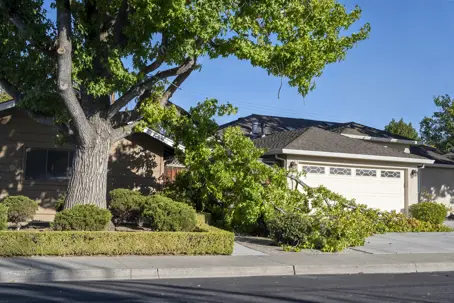
Living in York and Baltimore County means enjoying the natural beauty of stately oaks, vibrant maples, and hardy pines, but it also means dealing with our region's unpredictable, seasonal storms. When high winds and heavy rain sweep through the area, your landscape can take a serious hit. As homeowners, you want to protect your property and ensure your trees remain healthy assets rather than safety liabilities. Sometimes, after a severe weather event, a tree is compromised to the point where safe tree removal becomes the necessary step to protect your home.
At Crass Tree Experts, we are passionate about helping our neighbors navigate these concerns, bringing three generations of arboriculture expertise to every property we visit.
5 Critical Signs of Tree Damage to Watch For
After the winds have died down and the skies have cleared, taking the time to conduct a thorough inspection is the best way to prevent future damage. While some signs of trouble are obvious, others are subtle and require a trained eye to spot before they become dangerous. If you notice any of the following, it is time to call in the professionals:
1. Hanging Branches ("Widow Makers")
The most immediate sign of trouble is large, heavy branches that have snapped away from the trunk but remain caught in the upper canopy. These are often called "widow makers" because they are highly unpredictable and can fall without warning when the next breeze hits. Never attempt to remove these yourself; they require professional rigging and safety equipment to clear.
2. Root Plate Disturbance
Walk around the base of your trees to inspect the soil. If you notice the ground lifting, cracking, or mounding on one side, it indicates that the root system has shifted or been ripped from the earth. This is a severe stability issue; a tree with a compromised root plate is significantly more likely to uproot and fall, even if the upper canopy looks healthy.
3. Deep Vertical Trunk Cracks
Look for deep, vertical cracks running down the main trunk. These are warning signs that the tree's structural integrity has been compromised. If a storm has caused the tree to twist or sway violently, the internal wood may have failed. These cracks act as stress points where the tree could split completely under its own weight.
4. Sudden or Excessive Leaning
If you notice that a tree is leaning at an angle it didn't have before the storm, it is likely that the root system has failed or the trunk has structural damage. A tree that has suddenly tilted is unstable and requires an immediate assessment to determine if it needs to be braced, pruned, or removed before it collapses.
5. Bark Loss and Weeping Sap
Look for areas where bark has been stripped away or deep gashes have occurred. If you see sap bubbling out of these areas, the tree is under immense stress. This loss of protective bark leaves the tree vulnerable to pests and disease, and it is a clear indicator that the tree has suffered significant mechanical injury during the weather event.
Let Our Experts Secure Your Landscape
We know that for many residents in York and Baltimore County, trees are more than just part of the scenery; they are part of your home’s history. Our team at Crass Tree Experts was built on a family foundation that started when our founder was just 12 years old, learning to respect the complexity of tree care alongside his grandfather. We apply that same level of care to every job, whether we are performing delicate pruning to save a storm-damaged oak or carefully removing a hazard to keep your family safe. If you have concerns about your trees, don't wait for the next breeze to bring them down.
You can reach out to us at (443) 232-9556 to schedule a professional evaluation and ensure your property remains a safe, beautiful space.