
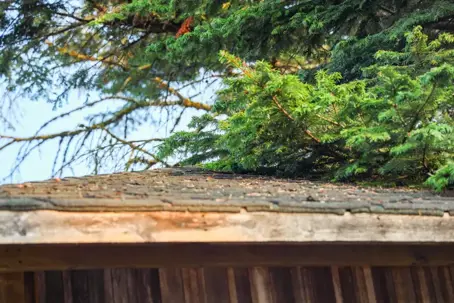
A lush, green canopy is often the crown jewel of a York or Baltimore County property, providing shade for summer barbecues and a vibrant backdrop for the changing seasons. However, beneath that beautiful exterior, a tree can quietly transform from a landscape asset into a significant structural liability. Because trees grow and change slowly over decades, it is easy for homeowners to miss the subtle "red flags" of decline until a severe summer storm or a heavy winter ice event forces the issue.
At Crass Tree Experts, we believe that understanding the difference between a healthy tree and a hidden hazard is the first step in protecting your home and your peace of mind.
Identifying the Invisible Dangers in Your Yard
While a fallen trunk is an obvious emergency, many safety risks remain hidden in plain sight. One of the most common issues we encounter in our region involves internal decay. A tree might look full and green, but if the trunk is hollow or the heartwood is rotting, its structural integrity is compromised. This is particularly common in older silver maples and ash trees that have been under stress from local pests.
To help you stay ahead of potential disasters, look for these specific warning signs:
Fungal Growth: Shelf-like mushrooms or fungi growing at the base of the trunk often indicate internal rot that has already compromised the wood.
Deep Bark Cracks: Vertical fractures or "seams" in the bark suggest the tree is struggling to hold its own weight or is splitting from the inside.
Heaving Soil: If the ground around the base is lifting or cracking, the root system may be failing, making the tree prone to toppling during high winds.
Deadwood in the Canopy: Large, leafless branches are "widow-makers" that can snap without warning even on a calm day.
In York's often clay-heavy soil, roots can become shallow or damaged by nearby construction, leading to instability that isn't apparent until the tree begins to lean precariously toward a roofline or power line.
Why Professional Removal is a Safety Necessity
When a tree is identified as a high-risk hazard, professional tree removal is the only way to ensure the safety of your surroundings. Attempting to "DIY" a large tree removal is incredibly dangerous; it involves complex physics, specialized rigging, and the use of heavy machinery in tight spaces. At Crass Tree Experts, we utilize three generations of expertise to dismantle hazardous trees piece by piece.
Hiring a professional team provides several key advantages:
Controlled Dismantling: We use advanced rigging to lower branches safely, protecting your siding, windows, and gardens.
Risk Mitigation: Our licensed experts can identify "hidden" hazards like hollow centers that untrained eyes often miss.
Pest Prevention: Removing a dying tree eliminates breeding grounds for invasive pests that could spread to your healthy timber.
Site Reclamation: We offer complete cleanup and stump grinding so you can immediately begin using your yard again.
Take Action Before the Next Storm Hits
The best time to address a risky tree is during a calm day, not in the middle of a midnight emergency. By being proactive, you avoid the stress of property damage and the higher costs associated with emergency storm response. If you have a tree that seems "off" or has grown too close to your home, an expert assessment can provide the clarity you need.
Whether the solution is strategic pruning to lighten the load or a full removal to eliminate the threat, Crass Tree Experts is here to guide you. To secure your property and schedule a professional inspection, you can reach our experienced team at (443) 232-9556.